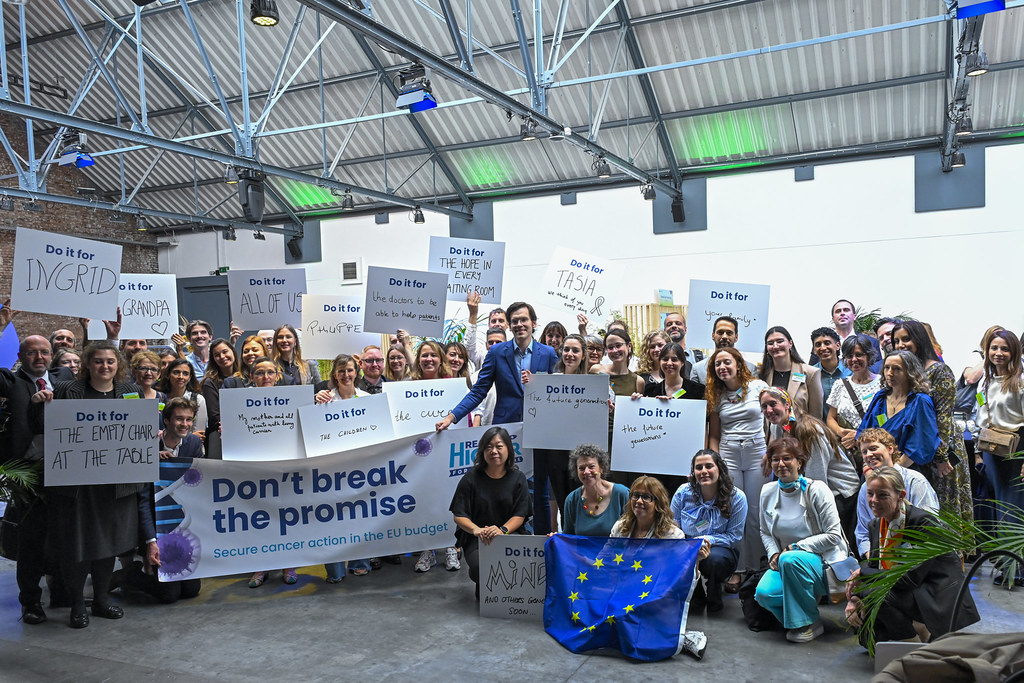
Sharing Progress and Experiences Across 13 Research Projects
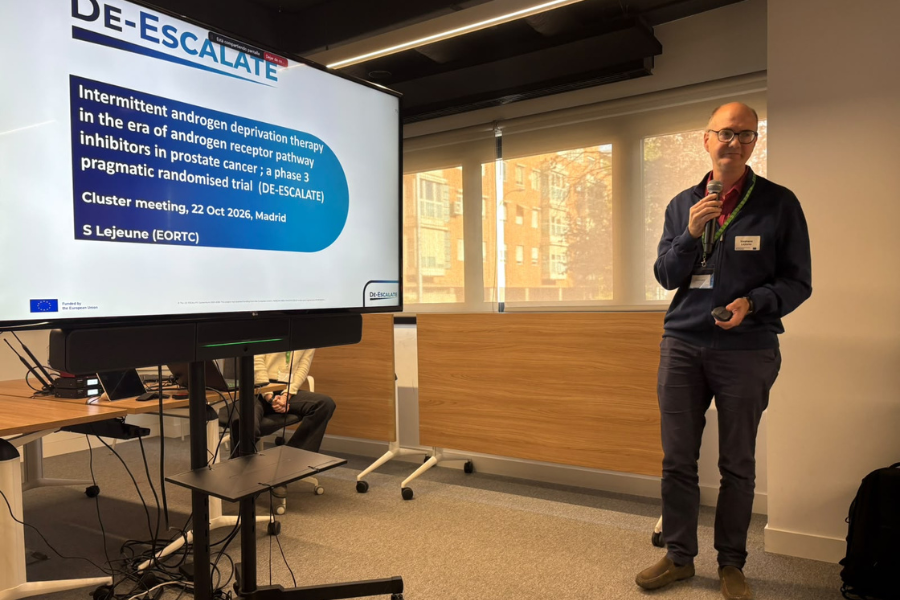
On 22 October 2026, representatives of 13 EU-funded cancer research projects gathered at the Asociación Española Contra el Cáncer (AECC) in Madrid, Spain, for the third meeting of the Horizon Europe Cancer Mission “Diagnosis and Treatment” cluster.
The meeting brought together projects funded under the EU Cancer Mission that share a common ambition: improving cancer treatment through clinical research that addresses real-world healthcare needs.
A central part of the programme focused on progress updates from all 13 projects, giving participants an overview of their research objectives, trial designs and current status.
Beyond sharing individual project updates, the meeting provided an opportunity to exchange experiences and discuss common challenges in conducting pragmatic clinical trials. Although the projects focus on different cancers and treatment approaches, they often face similar practical difficulties. Learning from one another’s experiences can help identify shared needs, exchange knowledge and explore opportunities to address these challenges collaboratively.
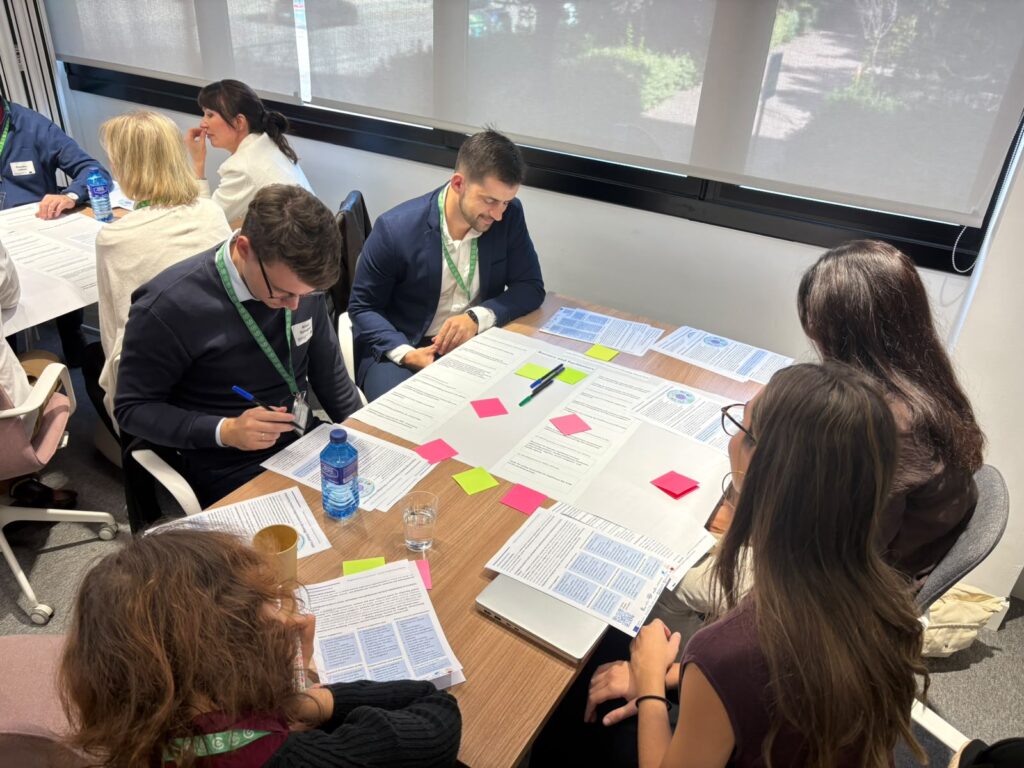
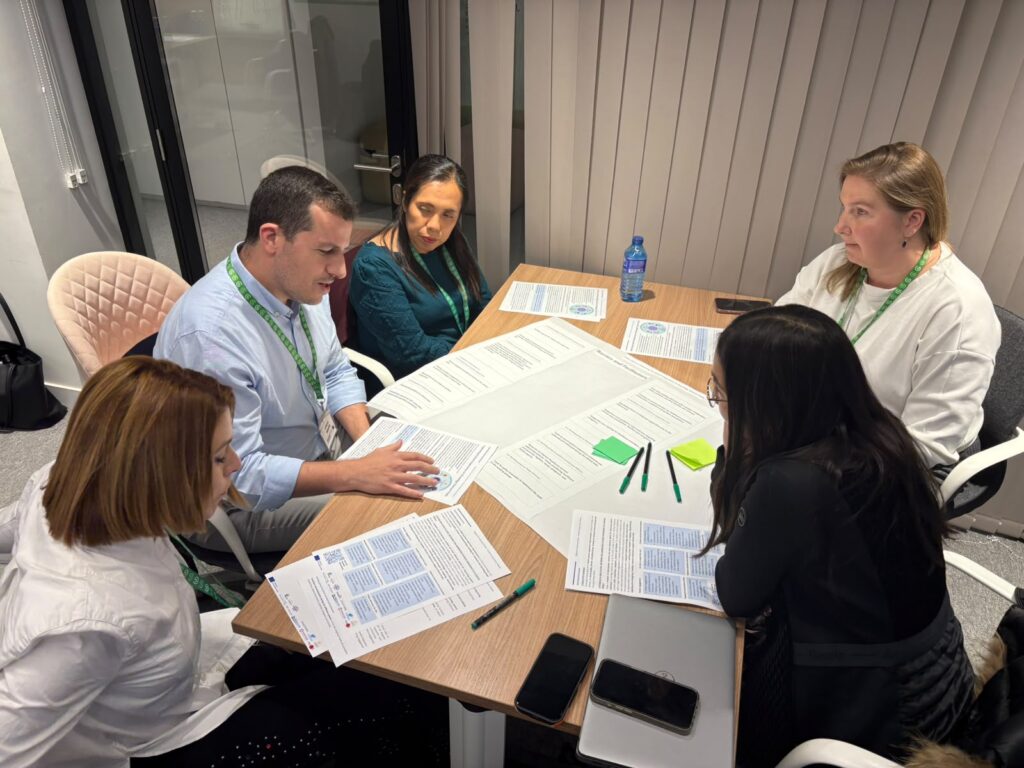
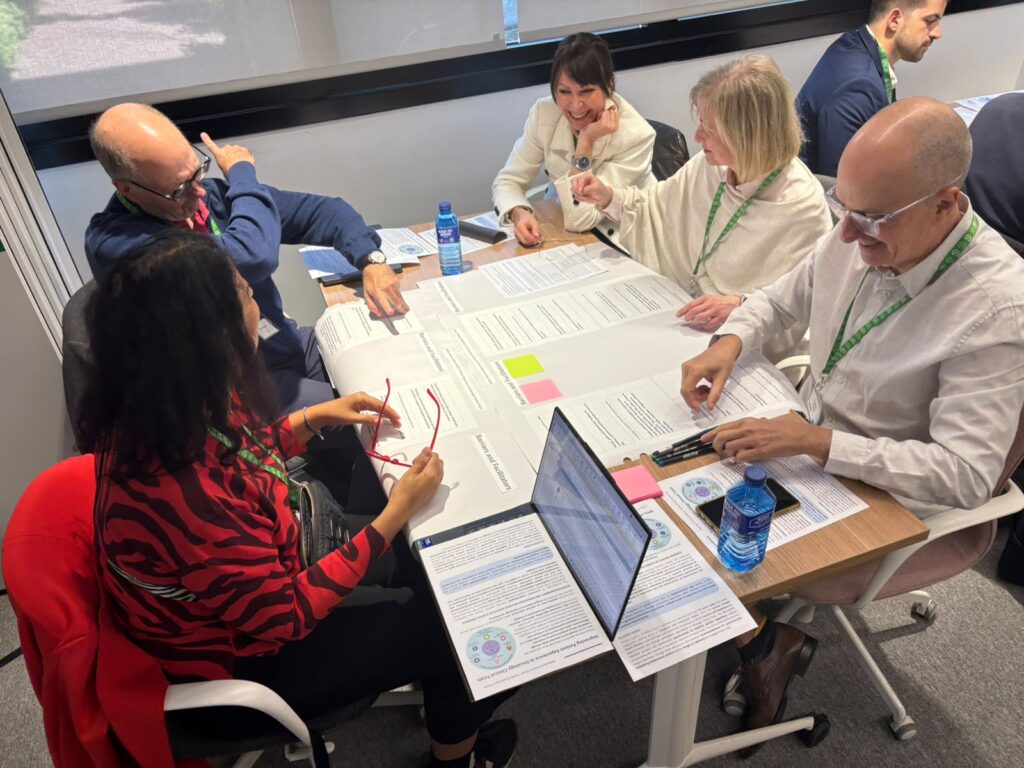
The meeting also featured roundtable discussions organised around five thematic working groups, reflecting areas of shared interest across the cluster:
Collaborative frameworks and data management: Exploring cooperation between projects and approaches to managing research data.
Dissemination and communication of results: Sharing approaches to communicating research findings and increasing their reach.
Research and innovation: Considering opportunities for collaboration and knowledge exchange in cancer research.
Citizen engagement: Addressing the involvement of patients and citizens in research activities.
Addressing inequalities: Considering inequalities relevant to cancer research and care.
Together, these topics highlighted issues that extend beyond the scientific objectives of individual clinical trials and the benefit ofcoordinated efforts across the European research community.
The discussions also informed the cluster’s annual meeting conclusions and policy brief, contributing to shared recommendations for future collaboration.
Key Takeaways: Stronger Together
The meeting highlighted the importance of collaboration and knowledge sharing across the 13 research projects to help overcome common challenges in conducting pragmatic clinical trials. By strengthening connections and learning from one another, these initiatives can contribute to the broader objectives of the EU Cancer Mission and, ultimately, better cancer care for patients across Europe.
Tag Post :
Collaboration,DE-ESCALATE,EU Cancer Mission,LEGATO